
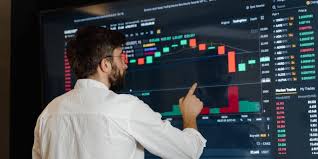
Crypto Trading Execution Speed: The Key to Successful Trading
In the fast-paced world of cryptocurrency trading, Crypto Trading Execution Speed click here execution speed is of utmost importance. Traders who can execute their orders quickly stand a better chance of capitalizing on ephemeral market opportunities and can minimize losses during extreme price fluctuations. This article dives deep into what execution speed means in the realm of crypto trading and why it should be a fundamental focus for every trader aiming to maximize their profitability.
Understanding Crypto Trading Execution Speed
Execution speed refers to the time it takes for a trade order to be executed after it has been placed. In cryptocurrency markets, where prices can change dramatically in mere seconds, even the slightest delay can result in significant financial loss. High-frequency trading algorithms and cutting-edge technology have heightened the need for speed in executing trades. Traders who are equipped with faster tools and strategies can take advantage of price discrepancies and liquidity that others might miss.
The Importance of Latency
Latency, defined as the time delay from when a trader submits an order to when it is filled, plays a crucial role in execution speed. In crypto trading, latency can be influenced by several factors, such as:
– Internet connection quality
– Geographic location in relation to the exchange’s server
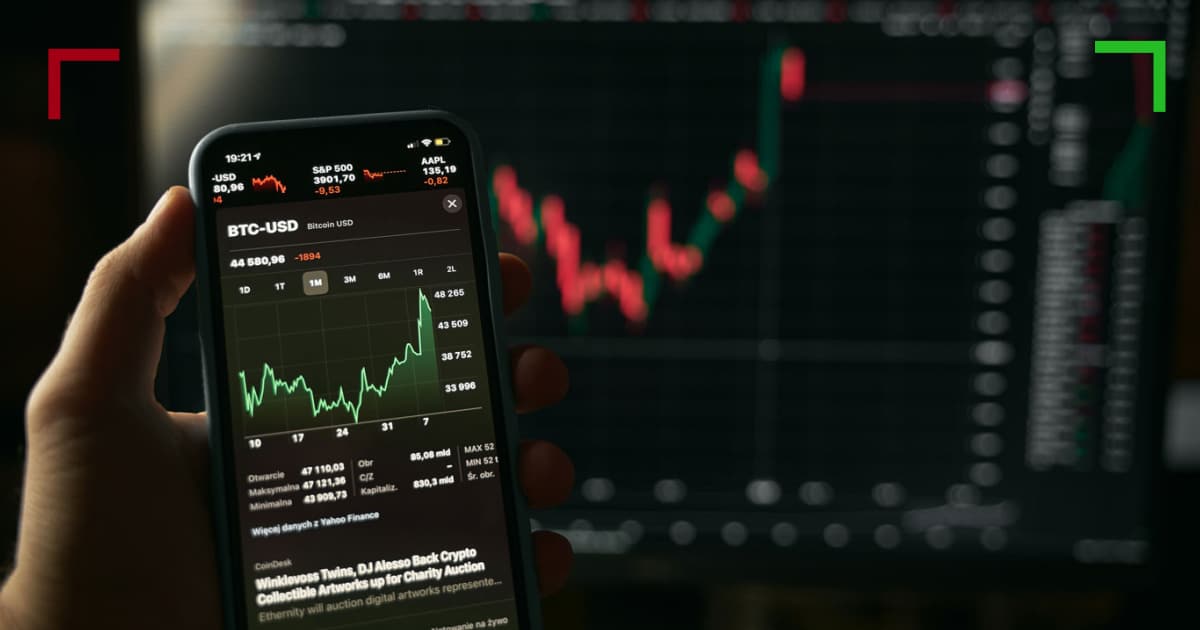
– The quality of the trading platform being used
– Server load and exchange infrastructure
Reducing latency is essential for successful trading. Traders often use co-location services, which involve placing their trading systems in close proximity to the exchange’s servers, to achieve faster trade execution. This proximity reduces the time taken for data to travel between their system and the exchange, hence minimizing latency.
Market Dynamics and Execution Speed
Market dynamics can change rapidly in the crypto space. Sudden news events, regulatory announcements, or changes in market sentiment can cause volatility. A trader’s ability to react to these changes hinges on their execution speed. If a trader can execute a buy or sell order before the market absorbs such news, they stand to gain considerable profit. Conversely, a delayed execution could mean the difference between entering the market at an advantageous price versus missing out entirely.
Strategies for Improving Execution Speed
There are several strategies traders can implement to enhance their execution speed:
- Choose the Right Exchange: Not all exchanges are created equal. Some offer better execution speeds due to more advanced infrastructure.
- Optimize Internet Connection: A fast and stable internet connection is paramount. Wired connections are generally more reliable than wireless.
- Minimize Slippage: Slippage occurs when a trade is executed at a different price than intended. By using limit orders and trading during periods of high liquidity, traders can reduce slippage.
- Utilize Trading Bots: High-frequency trading bots can analyze market data and execute orders much faster than humans can.
- Monitor Trading Conditions: Keeping an eye on market conditions, including volatility and liquidity, allows traders to execute orders more effectively.

The Role of Technology in Execution Speed
In recent years, technology has increasingly become a key player in maximizing execution speed. Algorithmic trading, also known as automated trading, relies on advanced mathematical models and algorithms to perform trades at high speeds that are impossible for a human trader to achieve. These algorithms analyze vast amounts of data and executed trades within fractions of a second, similar to high-frequency trading.
Additionally, technological advancements such as artificial intelligence (AI) and machine learning are making it possible to create smarter trading bots that not only execute trades but also learn from previous market behavior, thereby improving future performance. Traders employing these tools can make more informed decisions with greater execution speed, thus enhancing their overall trading strategy.
Risk Management and Execution Speed
While speed is vital, it should not come at the expense of sound risk management. Traders need to consider their risk tolerance and market conditions before executing rapidly. Quick decisions can lead to substantial gains, but they can also result in significant losses if not managed correctly.
Developing a clear trading plan that integrates execution speed with risk management strategies is fundamental. This may include setting predefined stop-loss levels, taking into account the potential for slippage, and having a clear exit strategy that allows for quick adjustments based on market conditions.
The Future of Crypto Trading Execution Speed
As technology continues to evolve, it’s reasonable to anticipate further enhancements in execution speed within the crypto trading landscape. With the growing prevalence of decentralized finance (DeFi) and various blockchain technologies, execution speeds could improve even further, setting new standards for traders. Leveraging advancements in network infrastructure, such as the rise of 5G connectivity, could also play a significant role in reducing latency.
Conclusion
In summary, crypto trading execution speed significantly impacts a trader’s potential for success. By understanding the dynamics of latency, utilizing technology effectively, and implementing robust trading strategies, traders can optimize their execution speed. Ultimately, mastering this aspect of trading can be the key to capturing opportunities in the ever-nuanced and fluctuating cryptocurrency markets.

Leave A Comment